

Some faculty members who taught at AACC’s Glen Burnie campus before it closed for renovations in August have said they’re worried that their programs will be diminished once the building reopens in January.
Classes and staff offices at the Anne Arundel County-owned Sarah E. Carter building relocated to AACC’s Arundel Mills campus when crews moved in to upgrade HVAC, wiring and other aging systems in Glen Burnie.
English language learning, adult education, correctional education and technology support services were located in the Glen Burnie building until August.
Those with classes might move back into the building next year but will share the space with the Anne Arundel Workforce Development Corp.
AACC administrative offices will stay at Arundel Mills.
Administrators of AACC’s English language learning and adult education programs said they are concerned they won’t have enough classroom space for as many students as they had before the building closed.
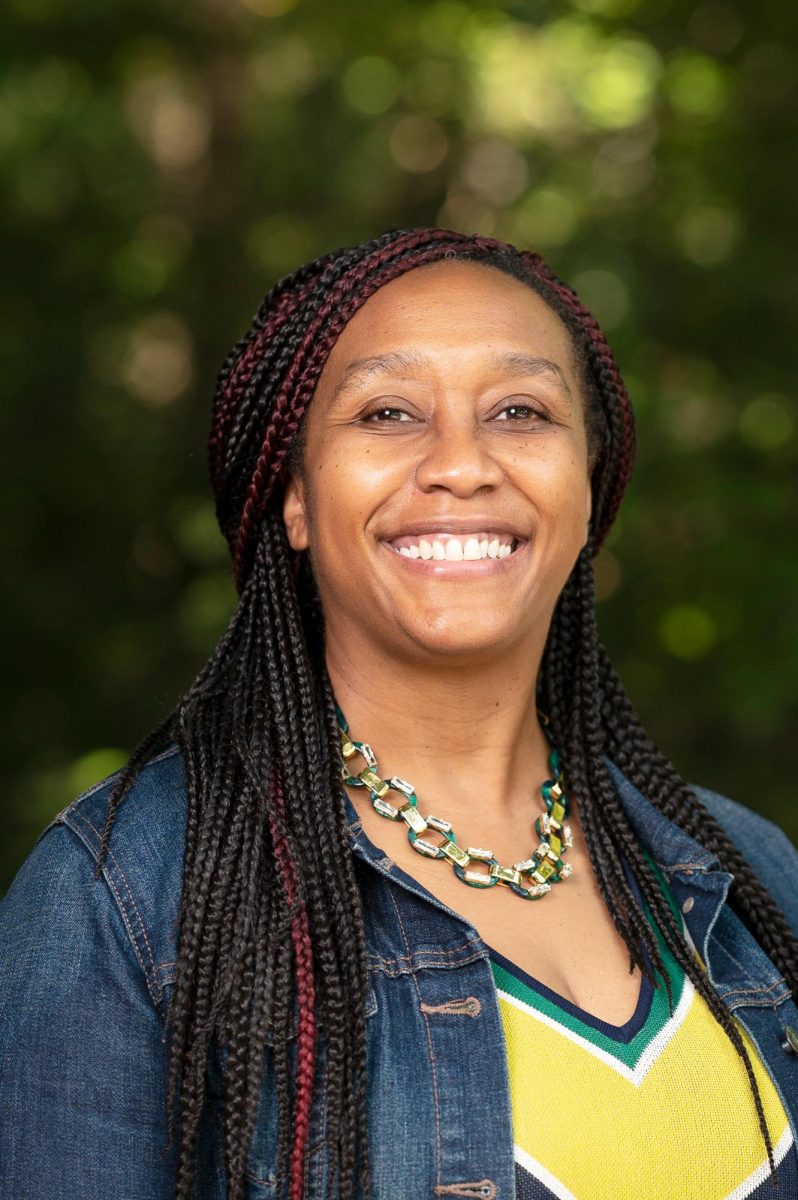
“We need computer labs,” Rena Burkowsky, the assistant director of English language learning and adult education, said. “We need classroom space. It would be helpful to have space to meet with students.”
Noah Northcott-Grant, director of English language learning and adult education, said he fears the reduced space will limit the program’s community impact.
“I think it’s important for the college to understand what the impact has been on our area and our students,” Northcott-Grant said. “Looking towards the future … what are the priorities so that we can make sure you know our footprint isn’t lost?“
The Sarah E. Carter Building has served as home base for multiple AACC programs for close to 30 years.
“Since 1996 the Glen Burnie campus was kind of the home for adult education, so we have been serving thousands and thousands of students in the Glen Burnie area,” Burkowsky said. “It was the main hub for our classes at one point.”
With the directors’ offices, which used to be in Glen Burnie, separated from the classrooms, Northcott-Grant said it will be harder for administrators to get to know the students.
“Not having that same sort of ability to interact with students and to serve students, you know, may affect our enrollment in the future, may affect our relationship with the students in the Glen Burnie area,” Northcott-Grant said.
Burkowsky also highlighted the benefits of sharing the space, saying students who visit the building will have easy to access to county programs.
“So being co-located could be a good thing,” she said.
Regular meetings to determine how to allocate the space began in February.